The Thrilling Road to Pole: F1 2026 Australian GP Qualifying in Melbourne
As the roar of hybrid engines echoes across Albert Park, anticipation for the F1 2026 Australian Grand Prix reaches fever pitch. The qualifying session for the fórmula 1 austrália is more than just setting lap times; it's a high-stakes chess match played at breakneck speed, a crucial battle for pole position that often dictates the rhythm of Sunday's main event. In 2026, with significant new technical regulations reshaping the sport, the Melbourne qualifying promises an even more unpredictable and exhilarating spectacle.
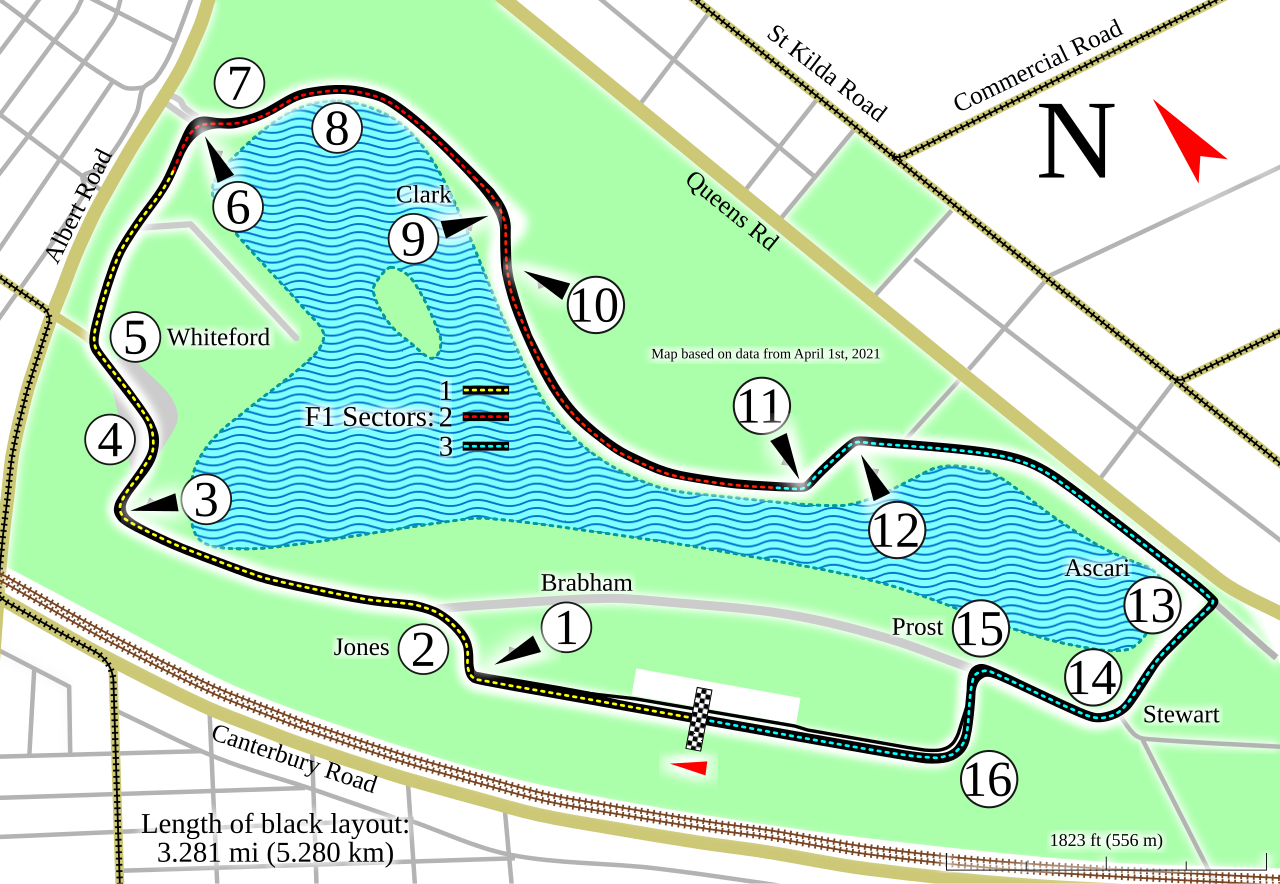
Albert Park, a semi-permanent street circuit nestled around a serene lake, presents a unique challenge. It's a circuit where precision and bravery intertwine, demanding absolute commitment from drivers as they thread their machines between unforgiving walls and high-speed chicanes. The quest for the fastest lap in this iconic setting is a testament to human and engineering ingenuity, a true highlight of the early Formula 1 season. Every tenth of a second counts, every corner is a gamble, and every driver dreams of starting from the coveted P1 grid slot.
2026 Regulations: Reshaping the Quest for Speed
The 2026 Formula 1 season marks a pivotal shift in the sport's technical landscape, and its impact on qualifying for the fórmula 1 austrália cannot be overstated. With regulations emphasizing lighter cars, new power unit dynamics, and innovative active aerodynamics, teams face a monumental task in extracting ultimate single-lap performance.
- Power Unit Evolution: The new power units will feature an increased electrical component, aiming for a near 50/50 split between internal combustion and electric power. This means not just raw horsepower, but intelligent energy deployment and recovery will be paramount. How teams manage this energy over a single qualifying lap, especially towards the end of Q3, could be a game-changer.
- Active Aerodynamics: Perhaps the most visually and functionally impactful change will be the introduction of active aerodynamics, allowing wings to adapt their angle of attack in real-time. This dynamic aero will offer drivers the ability to reduce drag on straights for higher top speed and increase downforce in corners for grip. Mastering the timing and application of these systems will be key to unlocking qualifying pace, transforming every sector into a complex ballet of driver input and car response.
- Lighter Chassis: Lighter cars inherently mean more agile cars. While this should theoretically make them faster, it also makes them more sensitive to setup changes and driver input. Finding the absolute limit without overstepping it will require nerves of steel and perfectly calibrated machinery.
These changes mean that teams won't just be chasing horsepower; they'll be chasing intelligent integration. The driver's ability to communicate precisely what the car is doing, coupled with the engineering team's prowess in optimising the complex interplay of power, energy, and aerodynamics, will define who clinches pole in Melbourne.
The Albert Park Gauntlet: Key Factors for Pole Position
While the new regulations add layers of complexity, the fundamental challenges of Albert Park remain. A driver's ability to master these elements will be critical for securing the fastest time during the fórmula 1 austrália qualifying session.
1. Precision and Confidence: Albert Park is renowned for its close proximity to walls, especially through sections like Turns 9 and 10, and the fast chicane. A driver needs immense confidence to push the car to its absolute limit, brushing the barriers without making contact. Every millimetre gained here translates directly to lap time.
2. Optimal Car Setup: Finding the perfect balance between high-speed stability for the straights and robust grip for the numerous medium-speed corners is a perennial challenge. With the 2026 active aero, teams will be looking for a setup that allows for maximum flexibility, enabling drivers to exploit both low-drag and high-downforce configurations dynamically. This means a delicate compromise between mechanical and aerodynamic grip.
3. Tyre Management & Track Evolution: Qualifying demands maximum performance from the softest tyre compounds over a single lap. The track surface at Albert Park often 'rubbers in' and improves significantly from Q1 to Q3. Understanding this track evolution, and knowing precisely when to send the car out for its optimal run, is a critical strategic decision. Too early, and the track might not be at its fastest; too late, and traffic or a red flag could spoil the run.
4. Navigating Traffic: With 20 cars vying for space on a relatively tight circuit, traffic management during qualifying can be a nightmare. Finding clear air for a flying lap is paramount, and team strategists work tirelessly to orchestrate perfect out-laps for their drivers, avoiding slower cars or those on cool-down laps.
5. The Unpredictable Melbourne Weather: While often sunny, Melbourne can surprise with sudden downpours. A wet qualifying session adds an entirely new dimension of challenge, making tyre choice and driver skill in slippery conditions even more decisive.
The Thrill of Saturday: From Q1 to Pole
The three-part qualifying format intensifies the drama. Q1 sees all drivers fighting to make it into the top 15, with the slowest five eliminated. Q2 further reduces the field to the fastest 10, setting the stage for the ultimate showdown in Q3. This final segment is a pure sprint for pole, where only the brave and the precise will prevail.
Witnessing Q3 at Albert Park is an experience unlike any other. The cars are lighter on fuel, the tyres are fresh, and the drivers are pushing the absolute limits of adhesion. The timing screens light up with purple sectors, indicating the fastest times, as each driver attempts to snatch glory in the dying moments. The tension is palpable, the stakes incredibly high, as securing pole position in Australia is not just a prestige victory, but a significant strategic advantage for Sunday's race. Overtaking at Albert Park, while possible, is notoriously difficult, making a front-row start invaluable.
Fans following the action, whether trackside or remotely, should pay close attention to the sector times, particularly how drivers are utilizing the new active aero systems in different parts of the track. Observing the delta times and how drivers gain or lose time through the high-speed sections versus the technical corners will offer deep insights into who is mastering the 2026 machinery most effectively.
Conclusion: Setting the Stage for the F1 2026 Australian Grand Prix
Qualifying for the 2026 Australian Grand Prix will be a fascinating blend of traditional Albert Park challenges and the groundbreaking innovations of the new regulations. It's where raw talent meets cutting-edge technology, and where the first significant benchmark of the new era of Formula 1 will be set. The battle for pole position in Melbourne is more than just a single lap; it's an intense, strategic, and often breathtaking display of speed and precision that lays the foundation for what promises to be an epic race. Don't miss a single moment of the action, and for a full recap, be sure to check out our AS IT HAPPENED: F1 2026 Australian Grand Prix Qualifying Recap.